Chinese Aesthetics

The visual language of five thousand years — where every color tells a story, every pattern carries meaning, and every structure embodies harmony.

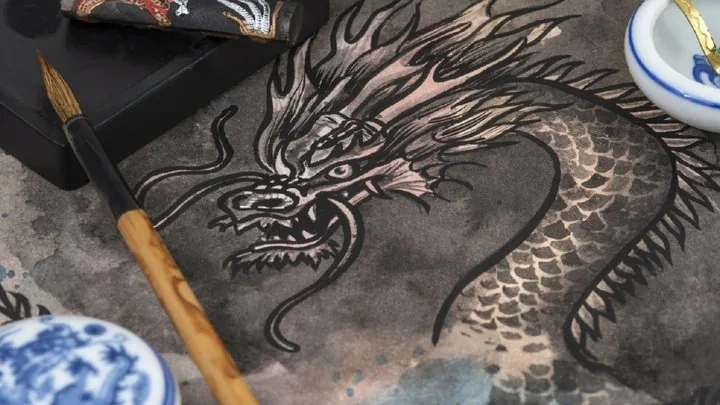
Chinese calligraphy brush and ink

Calligraphy: Dance Frozen in Ink

Chinese calligraphy is the highest of all visual arts. The Four Treasures of the Study — brush, ink, paper, inkstone — are tools of spiritual cultivation connecting the practitioner to thousands of years of lineage.

Jul 25, 2026 · 6 min read · Calligraphy Ink Art
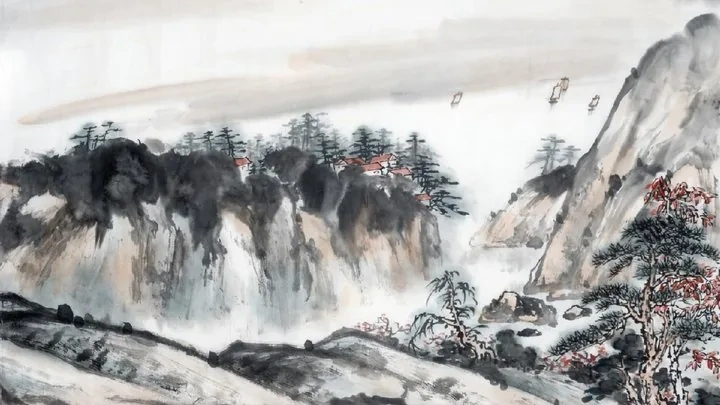
Chinese ink wash landscape painting

Ink Wash Painting: The Art of Emptiness

In Chinese painting, what is left unpainted matters as much as what is rendered. The void is not absence — it is cloud, water, sky, and infinite possibility. Shan shui painting maps the cosmos in brushstrokes.

Jul 20, 2026 · 7 min read · Painting Shan Shui
Suzhou classical garden

Classical Gardens: Infinite Nature in Finite Space

Suzhou gardens compress the universe into a courtyard. Every rock, every window frame, every winding path is composed like poetry. The garden is not a representation of nature — it is nature distilled through the scholar's mind.

Jul 15, 2026 · 9 min read · Architecture Gardens
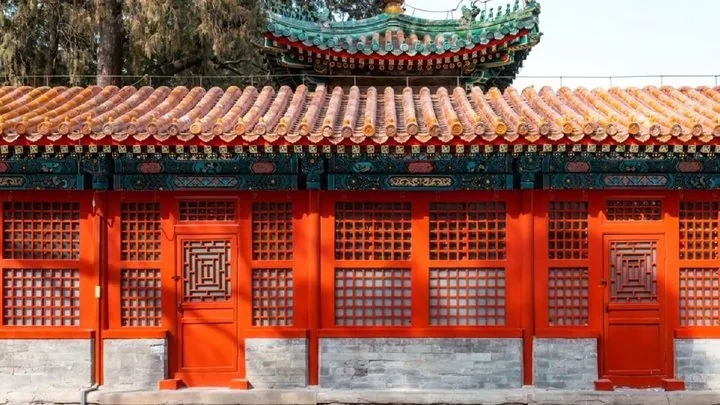
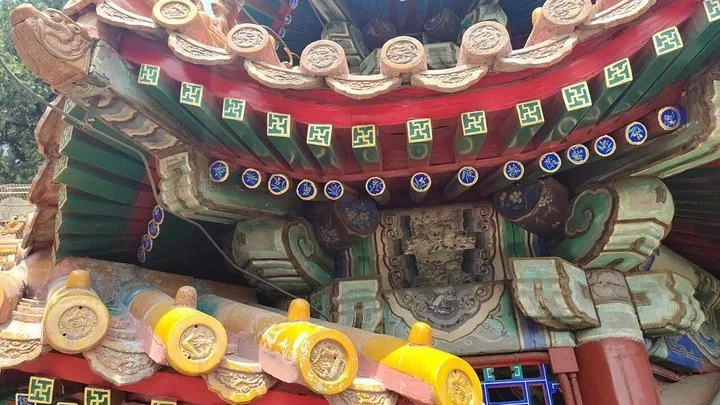
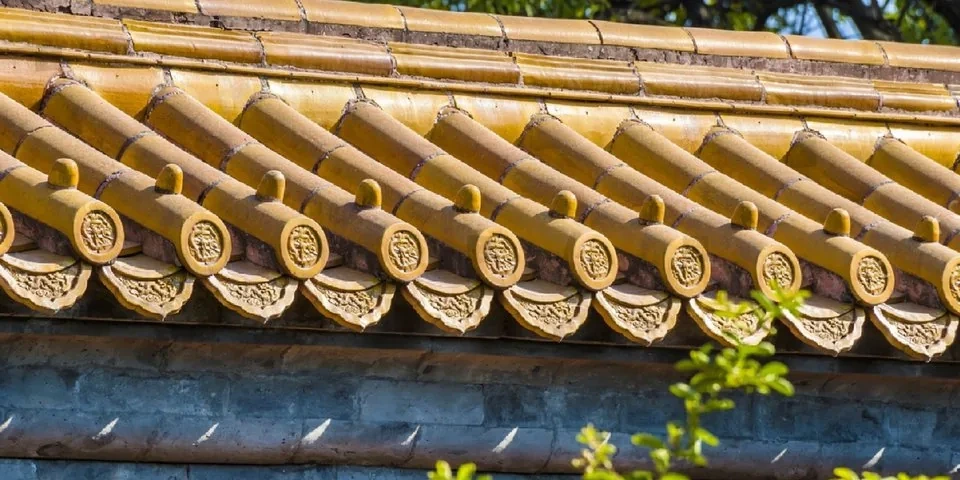
Chinese palace roof details

Palace Architecture: Cosmic Order in Wood and Stone

The Forbidden City is not merely a palace — it is a map of the universe. Dougong brackets, curved eaves, symmetrical axes embody the Confucian ideals of order, hierarchy, and harmony between heaven and earth.

Jul 10, 2026 · 10 min read · Architecture Forbidden City
FAQ · Frequently Asked Questions
What topics does the Chinese Aesthetics section cover?
It explores traditional colors, calligraphy, ink wash painting, classical gardens, and palace architecture, showing how every color, pattern, and structure carries centuries of meaning.
Where should I start reading about Chinese aesthetics?
The featured article on Chinese colors is a strong entry point, followed by pieces on calligraphy, ink wash painting, Suzhou gardens, and the Forbidden City. Each explains the philosophy behind a visual tradition.
What ideas shape Chinese aesthetics?
Chinese aesthetics form a philosophical system rooted in Taoism, Confucianism, and Chan Buddhism, seeking harmony between humanity and nature rather than surface beauty alone.