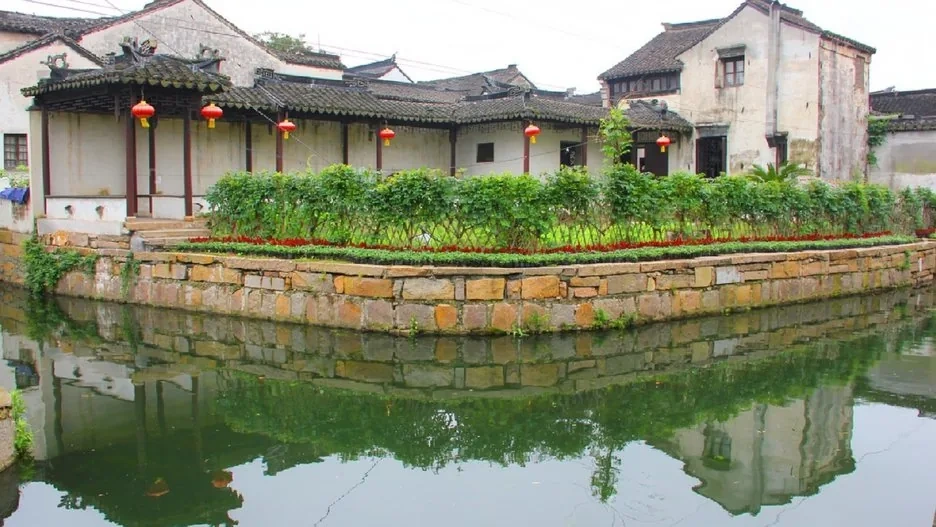
Short answer: choose Wuzhen for the strongest overnight experience, Tongli for an easy Suzhou pairing, Zhouzhuang for the most iconic bridges and merchant houses, or Xitang for covered corridors and lived-in lanes. This guide gives you the practical comparison first and the cultural story second.
Choose Your Water Town in 60 Seconds
There is no single “best” Jiangnan water town. The right choice depends on where you are staying, whether you want a polished nightscape or a quieter daytime visit, and how much transfer time you will accept.
| Town | Choose it for | Best base and access | Allow | Main trade-off |
|---|---|---|---|---|
| Zhouzhuang | Iconic canals, Twin Bridges, Shen House | Shanghai or Suzhou; rail to Kunshan South, then local bus transfer or taxi | 5–8 hours | Can feel crowded at midday |
| Wuzhen | Night scenery, museums, organized overnight stays | Shanghai or Hangzhou; rail to Tongxiang, then road transfer | 1 full day; ideally 1 night | Most curated and commercially managed |
| Xitang | Covered corridors, alleys and evening atmosphere | Shanghai or Hangzhou; rail to Jiashan or Jiashan South, then road transfer | 5–8 hours or 1 night | Weekends and evenings can be lively |
| Tongli | Tuisi Garden, bridges and an easy Suzhou add-on | Suzhou Metro Line 4 to Tongli, then Bus 725, tourist link or taxi | 5–7 hours | Less night activity than Wuzhen |
Plan the Trip Before You Go
Check the exact scenic zone
These are living towns and managed attractions at the same time. Wuzhen sells East Gate, West Gate and combined admission; the other towns also have ticketed scenic areas or included sights. Check the official links below for current rates, opening hours and passport requirements.
Protect the first and last hours
Arrive near opening time, or stay until day-trip groups leave. Spring and autumn usually bring comfortable walking weather. The summer plum-rain period is atmospheric but wet; midsummer is hot and humid.
The final connection matters
High-speed rail or metro gets you close, not always to the old-town gate. Save the Chinese destination name, confirm the last bus connection and leave margin for a taxi or ride-hailing transfer.
Stay for mood, not more sights
An overnight stay buys you blue hour, night reflections and a quieter morning. Wuzhen is the clearest overnight choice; Xitang also changes character after day visitors leave.
A practical one-day rhythm
- Opening hour: walk the landmark bridges and main canal before tour groups build.
- Late morning: visit one major house, garden or museum instead of trying to enter every attraction.
- Lunch: step one or two lanes away from the busiest waterfront and allow time rather than rushing to the next photo stop.
- Afternoon: take a short boat ride, then explore residential lanes on foot; the two perspectives are complementary.
- Blue hour: if staying late, return to the bridges as lights appear and day-trip traffic thins.
The Questions Travelers Ask First
Which town should I choose?
Wuzhen for an overnight stay; Tongli from Suzhou; Zhouzhuang for iconic heritage; Xitang for covered corridors and street atmosphere.
Can I visit on a day trip?
Yes. Zhouzhuang, Xitang and Wuzhen are possible as long days from Shanghai. Tongli is especially convenient from Suzhou. Start early and budget time for the final transfer.
Do I need a ticket?
Usually for the main scenic areas or included sights. Policies differ by town and can change, so use the official booking pages rather than an old blog price.
When should I go?
Spring and autumn are the easiest seasons for walking. In any month, opening time and evening are generally more rewarding than the busiest midday window.
Should I stay overnight?
Yes if atmosphere matters. Wuzhen has the strongest organized night experience; Xitang also rewards an evening and early-morning stay. Zhouzhuang and Tongli work well as day trips.
What Each Town Actually Feels Like
The comparison gets you to the right destination. These shorter profiles help you decide what to prioritize once you arrive.
Zhouzhuang: The Classic Water-Town Image
Zhouzhuang is the most instantly recognizable of the four. The Twin Bridges frame intersecting canals, while Shen House turns the region's merchant wealth into courtyards, halls and carved detail. It delivers the stone bridges, black-tiled roofs and white walls many travelers imagine before they arrive.
How to visit it well: go early, photograph the Twin Bridges before the main rush, then devote time to one merchant residence and the smaller side canals. Its fame is the reason to come — and the reason timing matters.
- Twin Bridges
- Shen House
- Compact classic canals
- Strong Shanghai–Suzhou day-trip option
Wuzhen: The Complete Overnight Experience
Wuzhen is divided into East and West scenic zones. East is more compact and sight-focused; West has the broader visitor infrastructure, canal-side accommodation and the strongest night atmosphere. Indigo-dyeing displays, workshops, bridges and the former residence of writer Mao Dun give the visit more structure than a simple canal walk.
How to visit it well: if time is limited, choose a zone rather than racing between both. For an overnight trip, spend the afternoon and evening in West, then use the next morning for quiet lanes or East before departing.
- East and West scenic zones
- Night reflections
- Indigo-dyeing heritage
- Most organized accommodation
Xitang: Covered Corridors and Lived-In Lanes
Xitang's signature is its long covered canal-side corridors, built to shelter movement from sun and rain. Narrow alleys, low bridges and residential details make the town feel less like a sequence of formal attractions and more like a place discovered by walking.
How to visit it well: use the covered corridors as your spine, then leave them for the narrower lanes and bridges. Early morning suits photographers and quiet walkers; the evening becomes livelier, so choose an overnight stay only if that energy appeals to you.
- Covered corridors
- Narrow stone alleys
- Rain-friendly walking
- Distinct evening atmosphere
Tongli: Canals Meet Garden Culture
Tongli combines water-town streets with one exceptional cultural anchor: Tuisi Garden, or the Retreat and Reflection Garden, included in UNESCO's Classical Gardens of Suzhou listing. The town's bridges and compact canal network make it easy to alternate between architecture, water and garden design.
How to visit it well: give Tuisi Garden real time before walking the traditional Three Bridges route. Tongli is the most natural choice when Suzhou is already in your itinerary, and it requires less commitment than an overnight trip to Wuzhen.
- Tuisi Garden
- Three Bridges custom
- Easy Suzhou connection
- Calmer daytime scale
Why Jiangnan Looks Like This
Jiangnan means “south of the river,” but culturally it describes the fertile lower Yangtze region around southern Jiangsu and northern Zhejiang. Here, dense natural waterways and the Grand Canal made boats essential to trade. Silk, rice, tea, salt and ceramics moved through towns whose most important streets were canals.
Commercial success paid for the architecture visitors see today: merchant houses with multiple courtyards, carved wooden screens and private gardens. Whitewashed walls and dark clay tiles were practical materials, but they also created a restrained visual language. Reflected in still water, each façade becomes a doubled composition.
The bridges are more than crossings. Their arches frame the canal ahead, and their reflections complete circles in the water. A boat briefly breaks that geometry before the surface reforms — the visual reason a water town feels closer to an ink painting than an ordinary historic district.
“In spring, the water is greener than the sky; on a painted boat, one listens to rain and sleeps.”
— After Wei Zhuang (韦庄), Tang Dynasty poet
Find the Town Beneath the Attraction
Tourism preserves old buildings and also changes how they are used. You will have a better visit if you stop expecting an untouched village and start looking for the relationship between the managed scenic area and the community around it.
- Walk one lane beyond the landmark. The most famous bridge is not the whole town.
- Respect residential thresholds. An open doorway is not automatically an invitation to enter or photograph.
- Buy from working craftspeople. A useful purchase supports living culture more directly than a generic souvenir.
- Plan for uneven stone. Bridges, steps and wet paving can be difficult with luggage, strollers or limited mobility; ask the visitor center about accessible routes.
Continue Planning Your China Trip
Official planning sources
Ticket prices, opening hours and local transport can change. The practical details above were checked on August 22, 2026; verify live information before departure.
- Kunshan Government: Zhouzhuang visitor information and transport
- Wuzhen Tourism: official ticket and visitor-service information
- Xitang Ancient Town: official guides, notices and ticket booking
- Suzhou Tourism: official Tongli visitor information
- Tongli Tourism: official metro and bus connections
- UNESCO World Heritage Centre: Classical Gardens of Suzhou