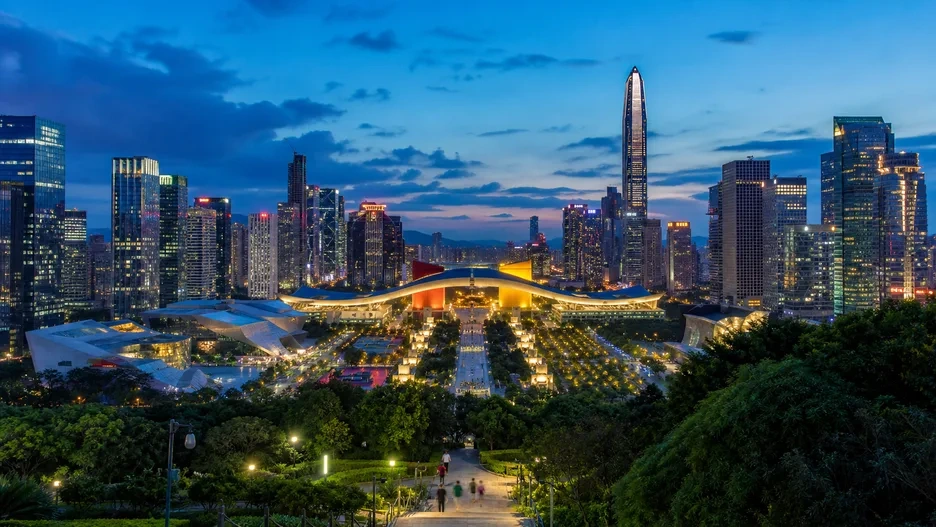
Shenzhen is preparing to host the 33rd APEC Economic Leaders' Meeting on November 18–19, 2026. With the gathering less than three weeks away, the city is moving toward a week of diplomacy, business discussions and changes to everyday travel.
The official date announcement places Shenzhen at the center of the concluding meetings of China's 2026 APEC host year. It follows Shanghai in 2001 and Beijing in 2014 as the third Chinese city to host the leaders' gathering, according to Shenzhen Government's overview.
What APEC Brings to Shenzhen
APEC stands for Asia-Pacific Economic Cooperation. Established in 1989, it brings together 21 member economies to make regional trade, investment and economic cooperation work more smoothly. Its use of “economies” reflects a forum organized around economic relationships across the Pacific. The APEC Secretariat's introduction explains its focus on practical improvements, from customs procedures to the movement of goods, services and people.
APEC works through consensus and voluntary cooperation. Leaders' discussions can give political direction to this work, while officials, ministers and businesses help develop it over time. As APEC explains its operating model, commitments are non-binding. The significance of November's meeting will depend on the shared direction and practical cooperation that emerge.
The 2026 Agenda: Openness, Innovation and Cooperation
The host-year theme is “Building an Asia-Pacific Community to Prosper Together.” Announced at the informal senior officials' meeting in Shenzhen in December 2025, it is supported by three priorities. The APEC announcement connects them to specific areas of work:
- Openness: trade, regional connectivity and more resilient industrial and supply chains.
- Innovation: artificial intelligence, digital public services and wider access to the benefits of technological change.
- Cooperation: coordination and capacity building in fields including energy, food security, small businesses, tourism and transport.
For readers outside policy circles, these topics have ordinary consequences: how a small company reaches another market, how digital services connect across borders, and how communities participate in economic growth. Those are useful questions to keep in mind when following the meeting's eventual announcements.
The Business Summit Comes First
The China Council for the Promotion of International Trade will host the APEC CEO Summit on November 17–18. Its separate theme is “To Prosper and Win the Future Together.” The organizer's introduction lists the Free Trade Area of the Asia-Pacific, connectivity, AI, the digital economy, Greater Bay Area development and sustainability among the discussion topics.
The organizer expects around 1,000 delegates. The business gathering offers a place for government and corporate representatives to exchange proposals alongside the leaders' meeting. Its discussions should offer another view of how the year's broad priorities connect with companies' operating decisions.
Why the Host City Matters
Shenzhen's own development gives the agenda a visible setting. A special economic zone since 1980, it sits beside Hong Kong and has become a major center for technology and advanced manufacturing. The summit organizer's city profile identifies Huawei, BYD, Tencent and DJI among its prominent technology companies.
From an editorial perspective, that makes Shenzhen an especially revealing place to discuss openness and innovation. The industries described in a regional agenda are part of the host city's daily economy. For an introduction beyond the conference headlines, our Shenzhen travel guide follows the city through its parks, waterfront and urban districts.
Preparations Are Reaching Everyday City Life
On October 17, Shenzhen's human resources authority issued a notice encouraging flexible work arrangements for November 16–20. Options include remote work and staggered commuting, with arrangements adapted to employers' operations and discussed with employees. The notice encourages flexibility; it does not announce a citywide public holiday.
A city briefing published on October 16 also outlined stronger public transport provision and temporary traffic controls affecting selected areas and roads. Authorities said detailed arrangements would be released in stages. Visitors should check current notices from Shenzhen Government, Shenzhen Transport and Shenzhen Metro, and allow extra time for journeys during the meeting period.
What to Watch Next
As of October 31, the leaders' meeting and CEO Summit are still ahead. Our editorial focus will be on how their published outcomes connect the year's priorities with practical work: trade and connectivity, the digital economy, and cooperation that can continue after the host year ends.
For Shenzhen, hosting also brings a local question into view: how does a globally connected city welcome a major international gathering while keeping ordinary life moving? Its transport and workplace preparations are already part of that story.
Official sources and further reading
- Shenzhen Government: November 18–19 leaders' meeting dates
- Shenzhen Government: China's host year and previous host cities
- APEC Secretariat: about APEC and how the forum works
- APEC Secretariat: 2026 theme and priorities
- CCPIT: APEC CEO Summit dates and agenda and host city profile
- Shenzhen human resources authority: October 17 flexible work notice (Chinese)
- Shenzhen Government: transport and city service preparations (Chinese)
Reporting checked on October 31, 2026. Meeting schedules and local travel arrangements should be checked against subsequent official notices.