The Way of Tea: Philosophy in a Cup
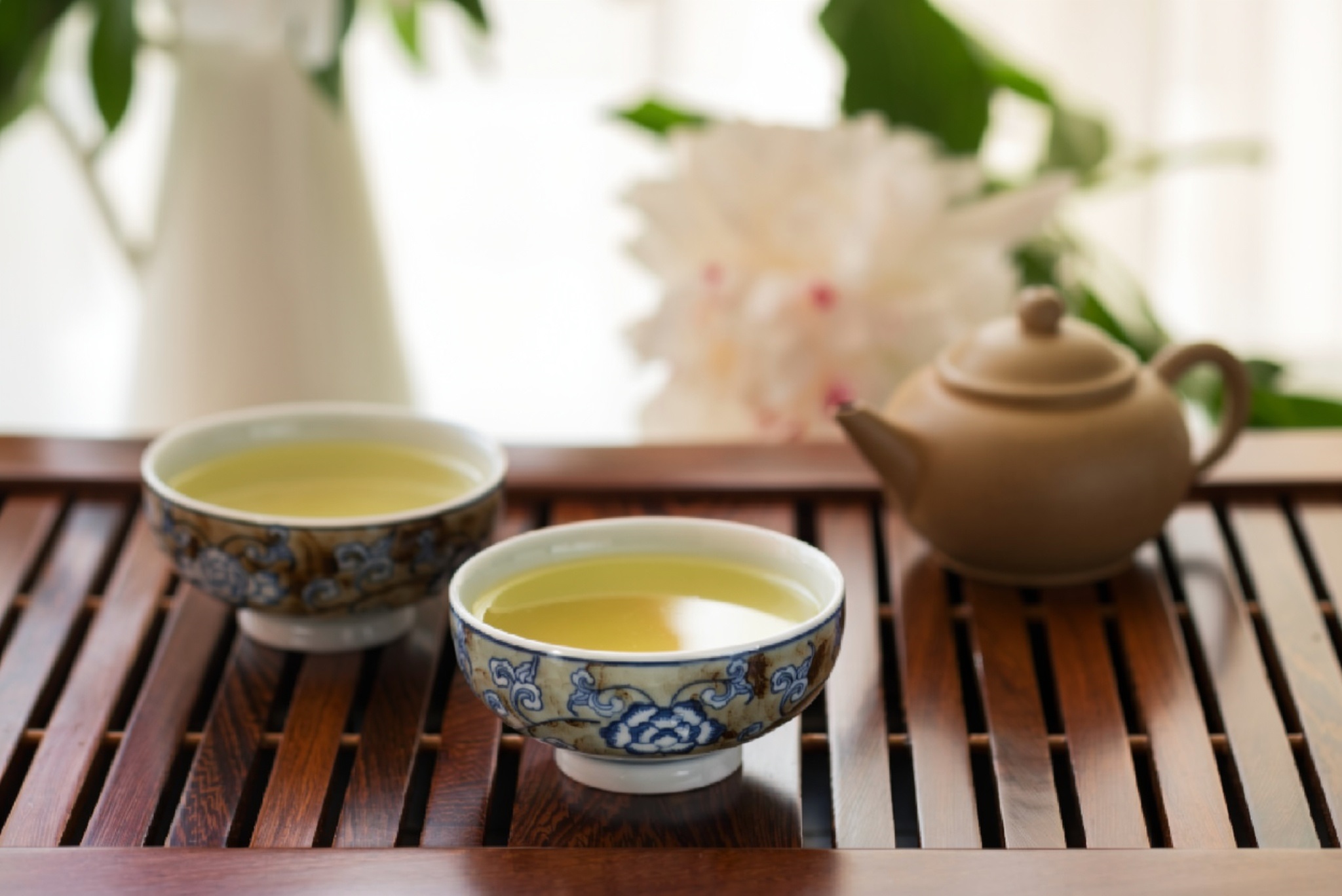
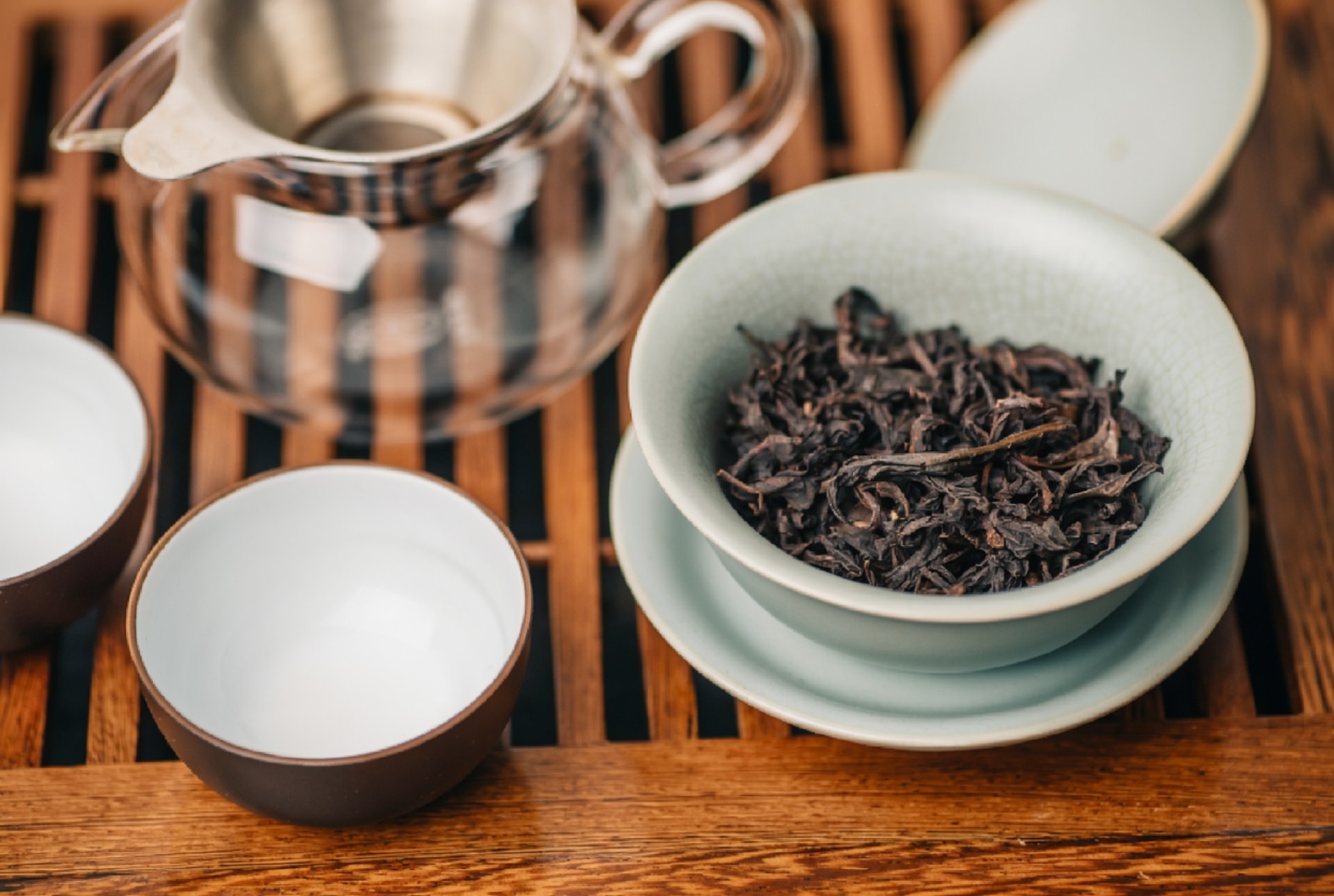
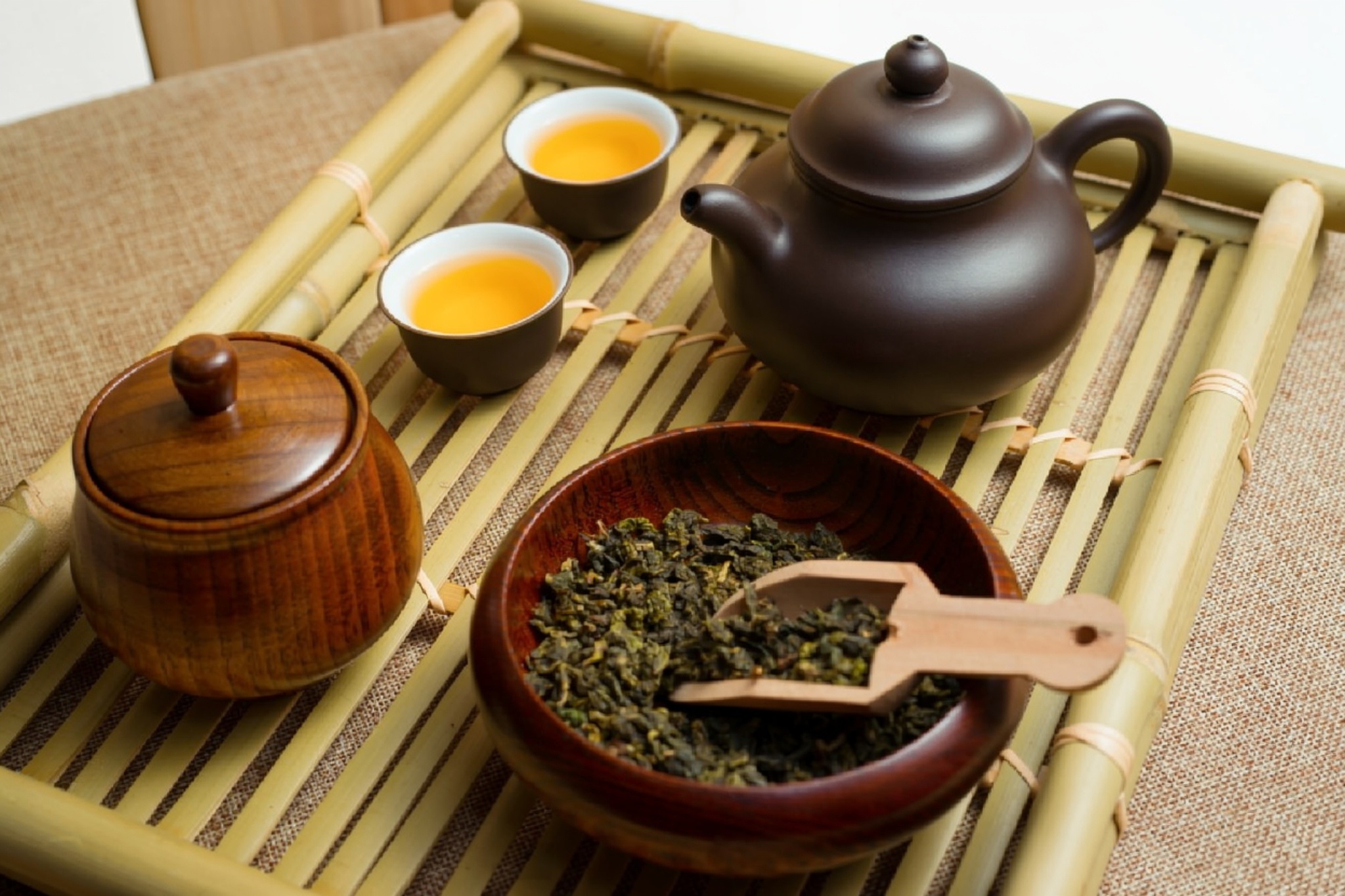
More than a beverage — tea is philosophy, meditation, and art. From the misty peaks of Wuyi to the ancient trees of Yunnan, each leaf carries terroir, history, and the patience of its maker.
The art of living with intention — where every cup of tea is meditation, every season a celebration, and every day an opportunity for grace.
More than a beverage — tea is philosophy, meditation, and art. From the misty peaks of Wuyi to the ancient trees of Yunnan, each leaf carries terroir, history, and the patience of its maker.
From the myth of Du Kang to the poetry of Li Bai, from Shaoxing huangjiu to Moutai baijiu — four thousand years of Chinese drinking culture, where every raised cup is communion, ritual, and philosophy.
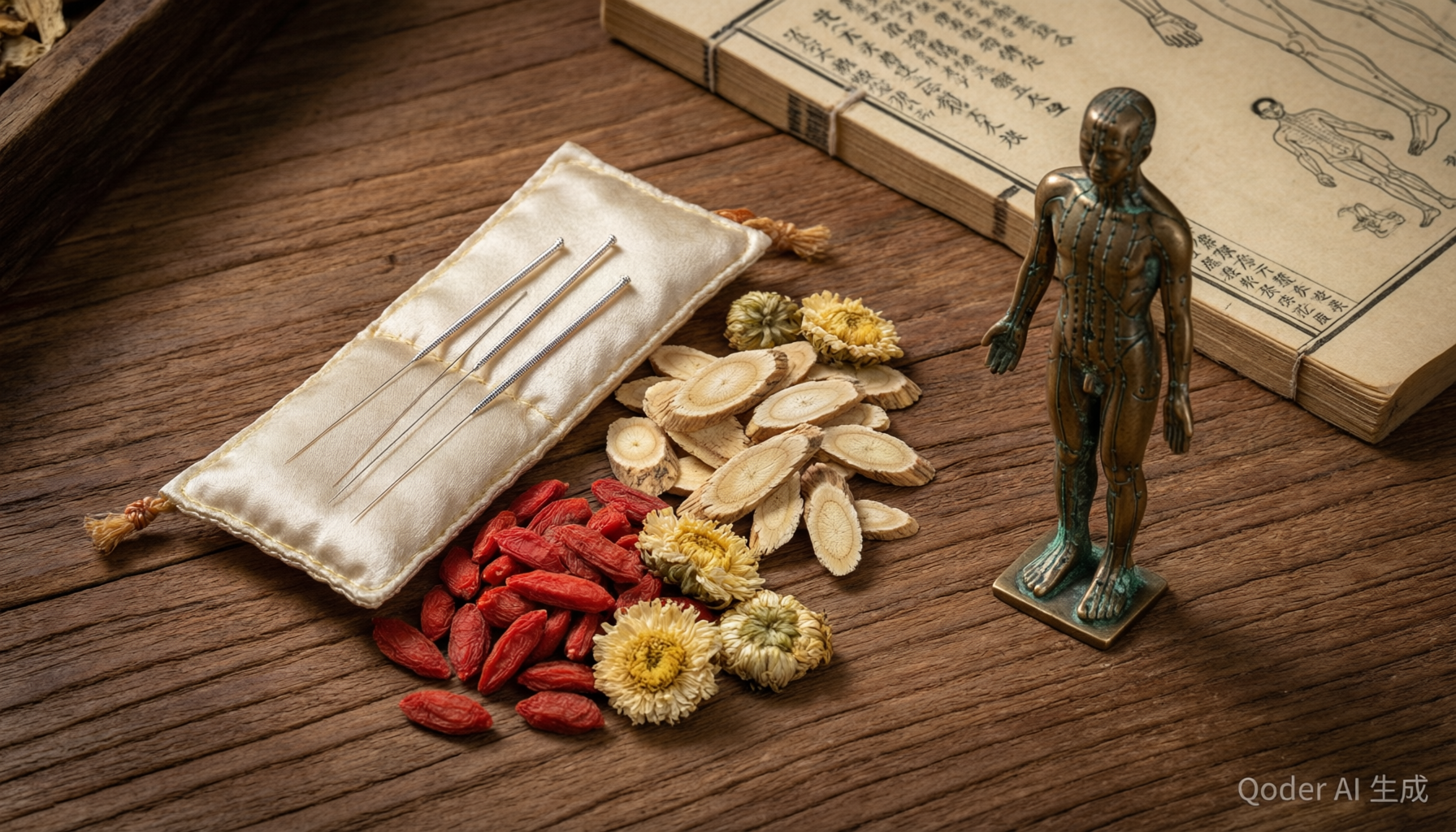
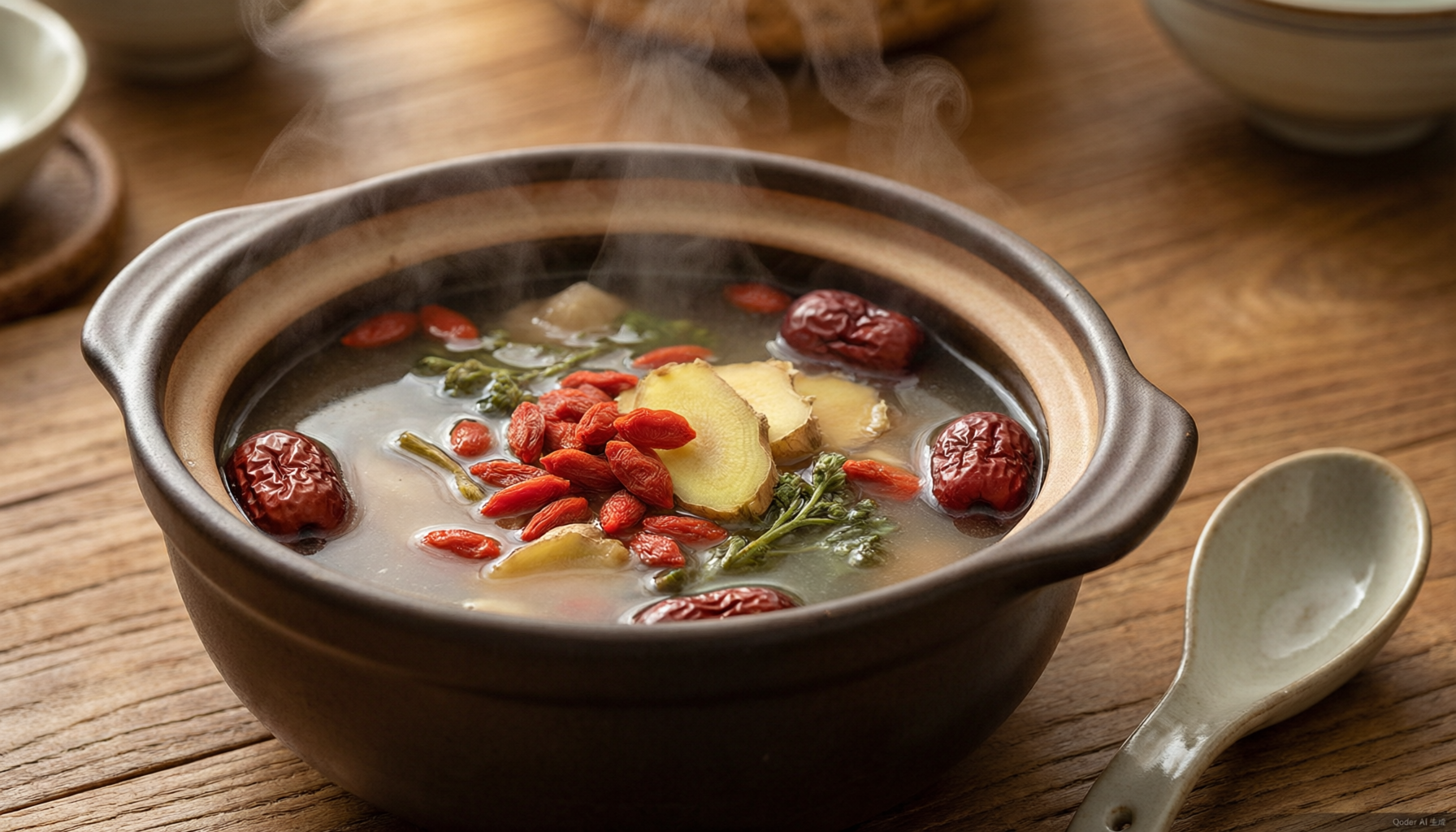
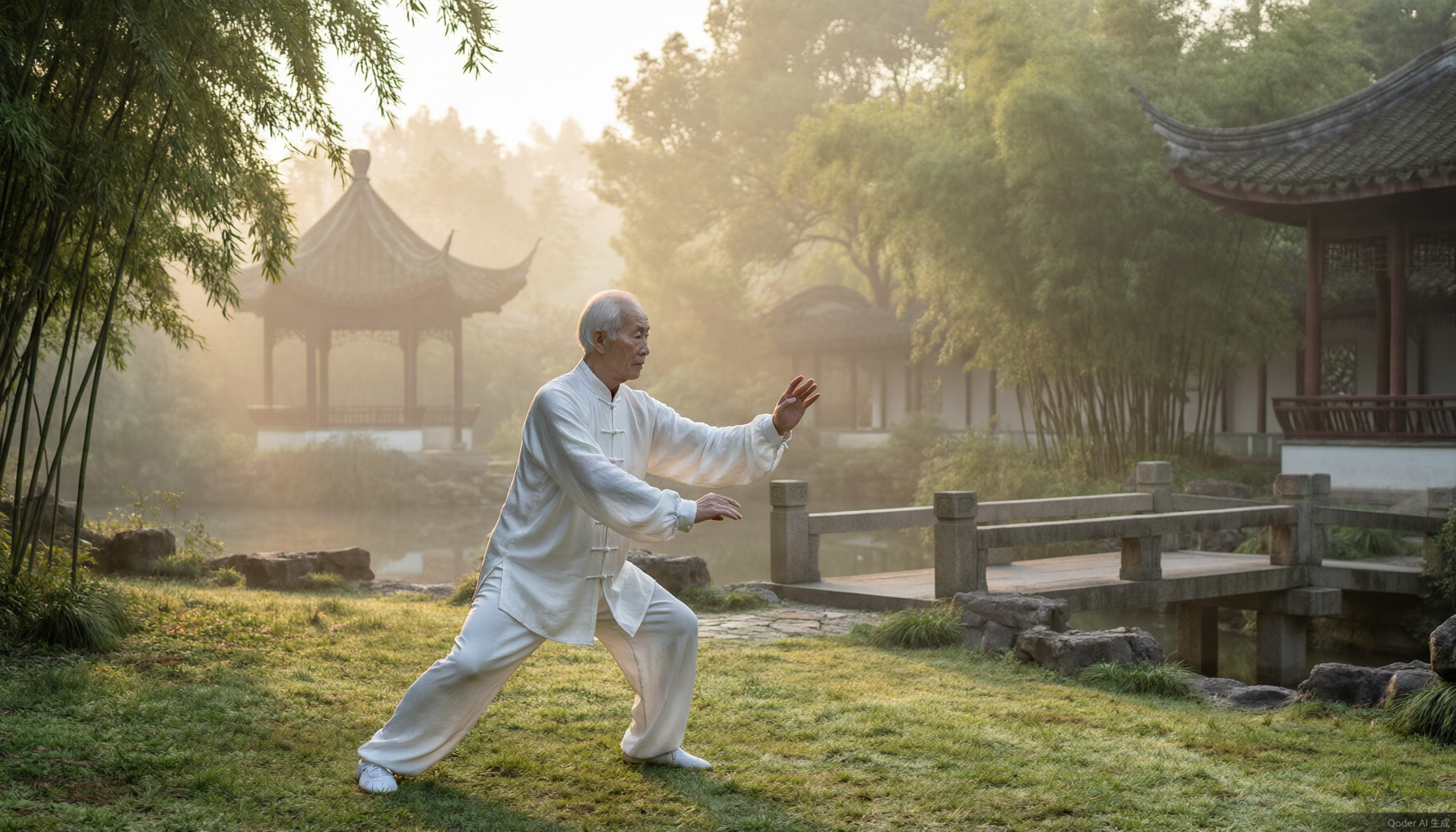
The ancient philosophy of preventive wellness — dietary therapy, qigong, seasonal living, and the radical proposition that health is not the absence of disease but the daily, joyful cultivation of balance.
Yin and yang, the five elements, qi and meridians, the zang-fu organs — an introduction to the theoretical architecture of TCM, a medical tradition that has healed billions for over two thousand years.
A practical guide to dietary therapy, qigong and tai chi, seasonal wellness routines, and acupressure for daily life — the concrete arts that bring yangsheng philosophy into everyday living.
The definitive guide to China's greatest holiday — the Nian legend, the great chunyun migration, reunion dinners, red envelopes, dragon dances, temple fairs, and the Lantern Festival finale. Three thousand years of celebration.
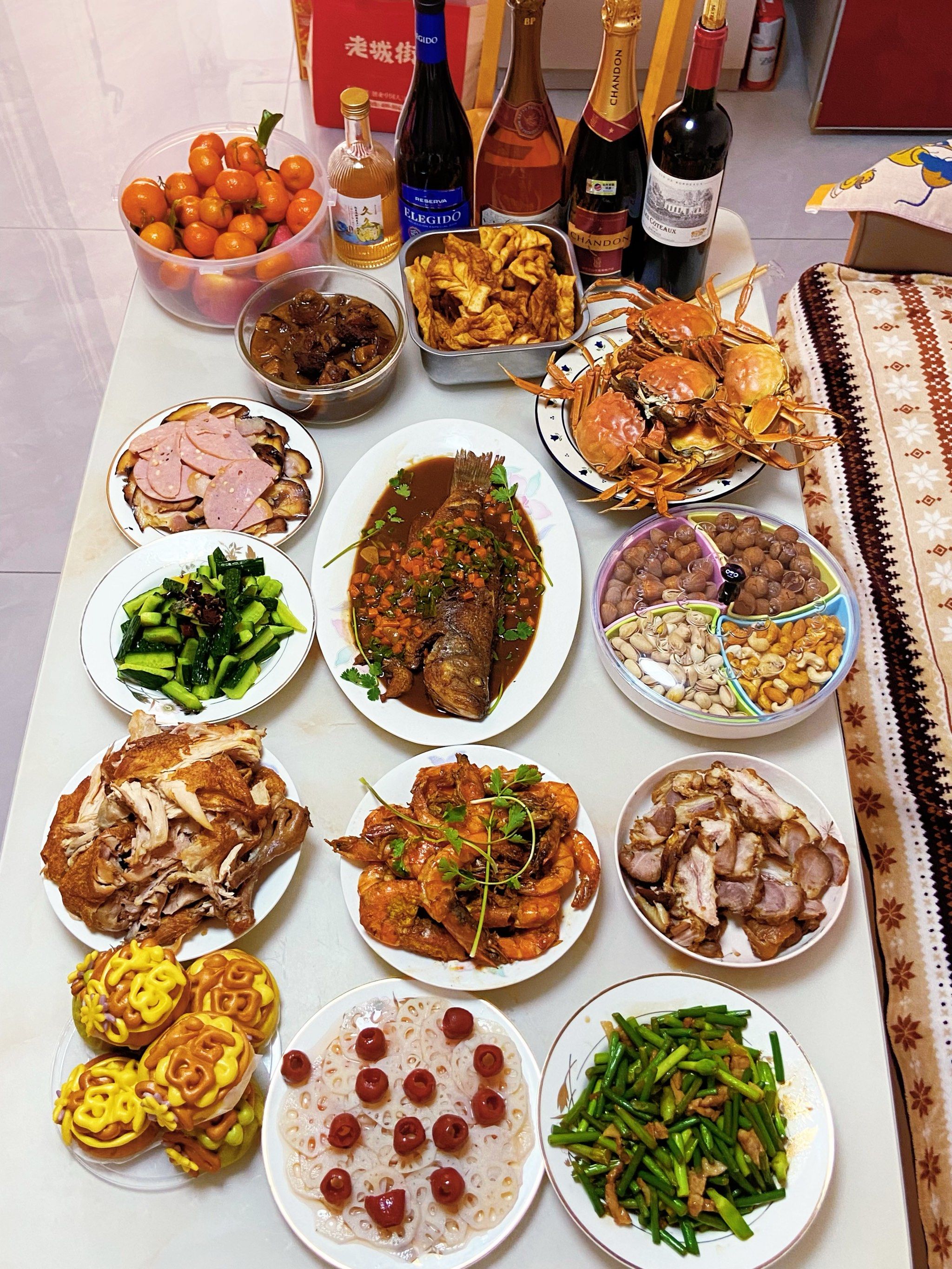
The most emotionally powerful night of the Chinese year — the reunion dinner, the vigil of Shousui, fireworks at midnight, red couplets on every door, and the ancient legend of banishing the old to welcome the new.
The 24 solar terms divide the year into precise moments of natural transition. They dictate when to plant, when to harvest, what to eat, and how to care for the body — millennia of ecological wisdom.
The scholar's four pursuits transform daily existence into aesthetic practice. From the precise temperature of water for different teas to the asymmetric placement of a single plum branch.
Under the fullest moon of the year, families gather to share mooncakes, tell legends of Chang'e, and celebrate the beauty of togetherness. A festival of reunion written in silver light.
A comprehensive guide to all major Chinese festivals — from Spring Festival to Laba — tracing the rhythm of the lunar calendar through centuries of tradition, legend, and family.
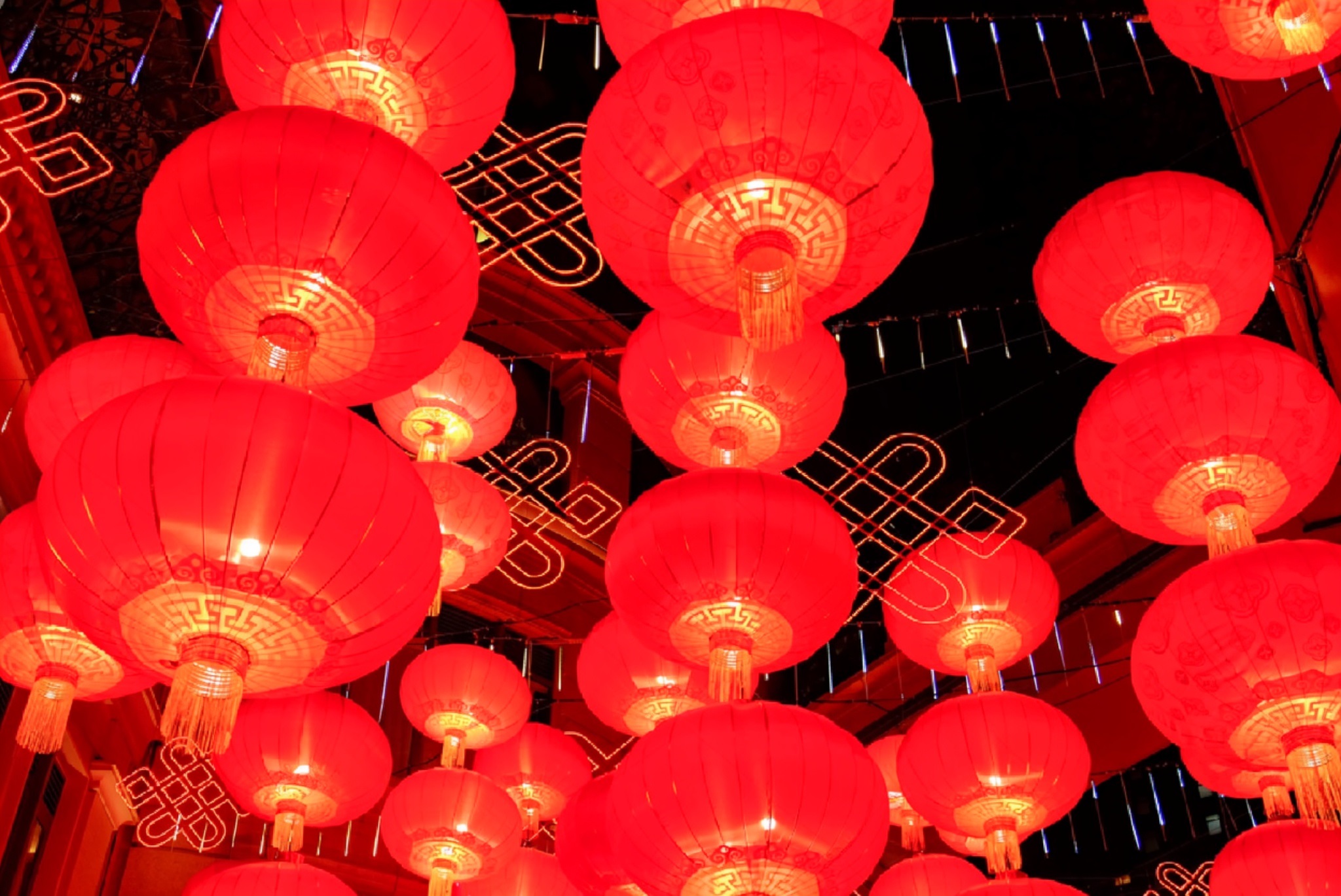
The 15th night of the first lunar month — lantern riddles, tangyuan, lion dances, and the first full moon of the year. Ancient China's most romantic evening.
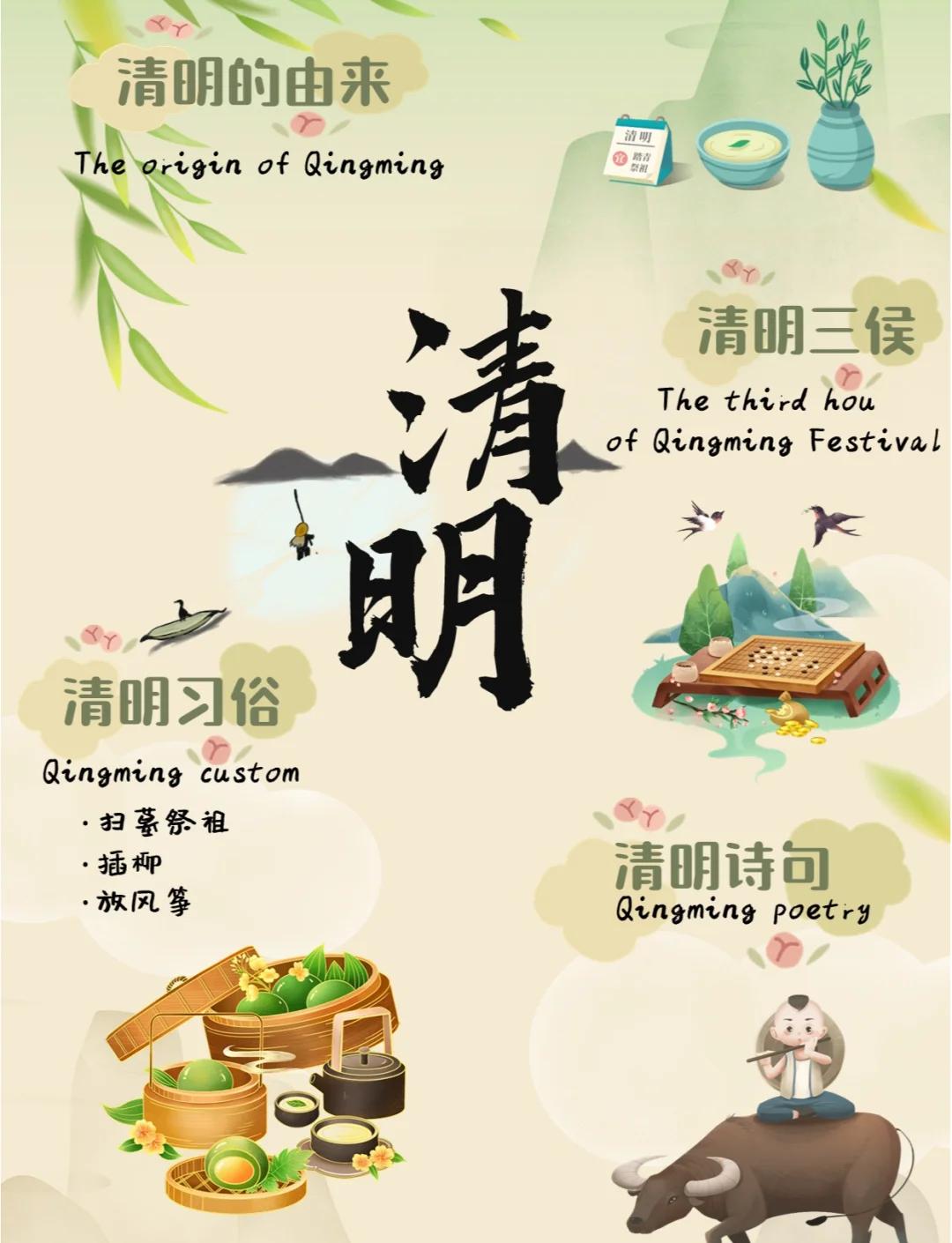
Tomb sweeping, spring outings, and green rice balls — Qingming balances grief and joy, remembrance and renewal, in a single breath of spring air.
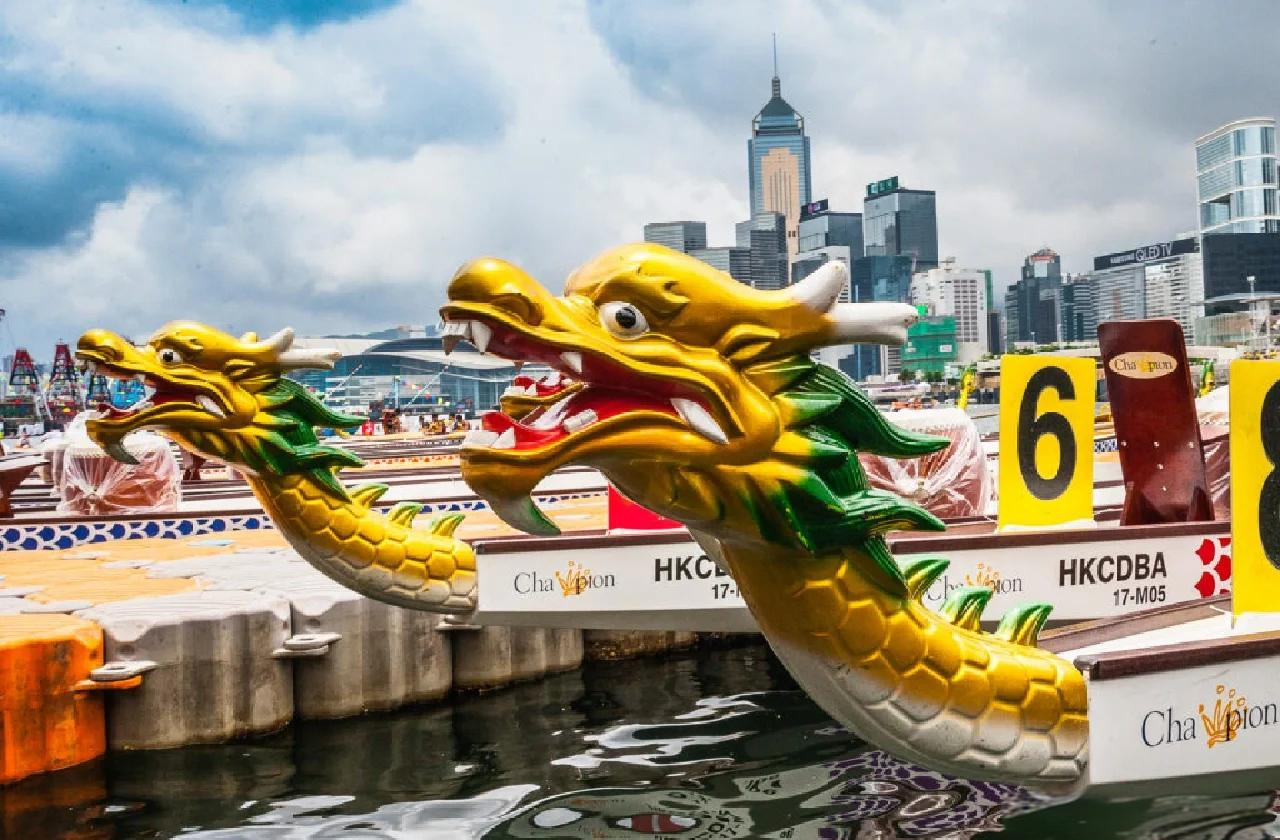
The legend of Qu Yuan, thundering dragon boats, sticky zongzi wrapped in bamboo leaves, and the fierce yang energy of the fifth month.
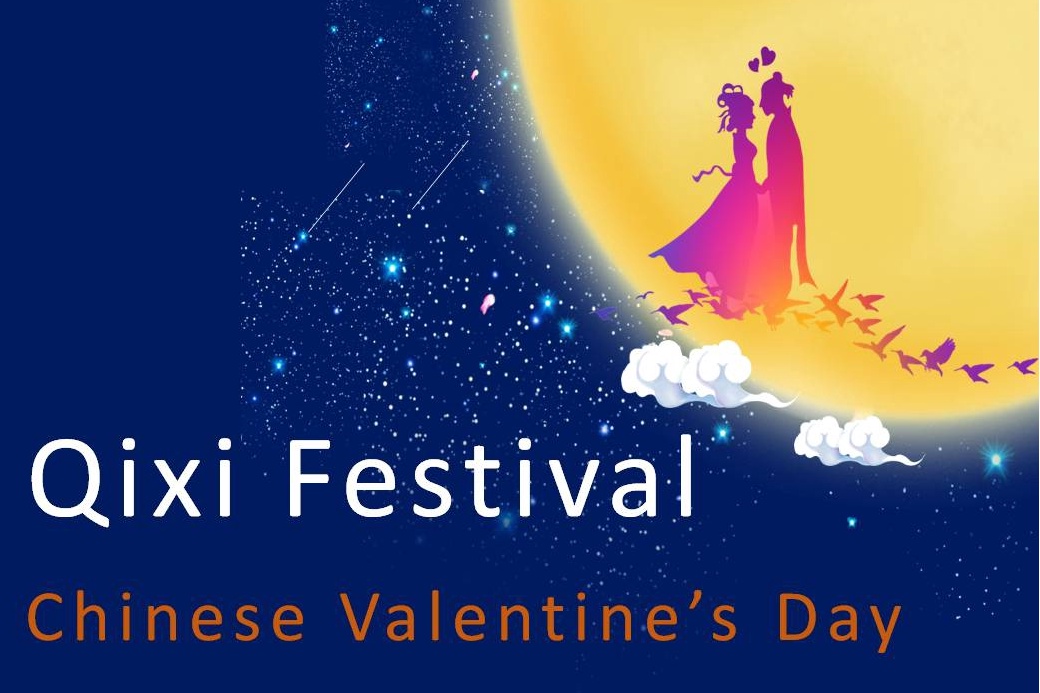
The Cowherd and the Weaver Girl, separated by the Milky Way, reunited for one night a year. China's most poetic love story, told under the seventh moon.
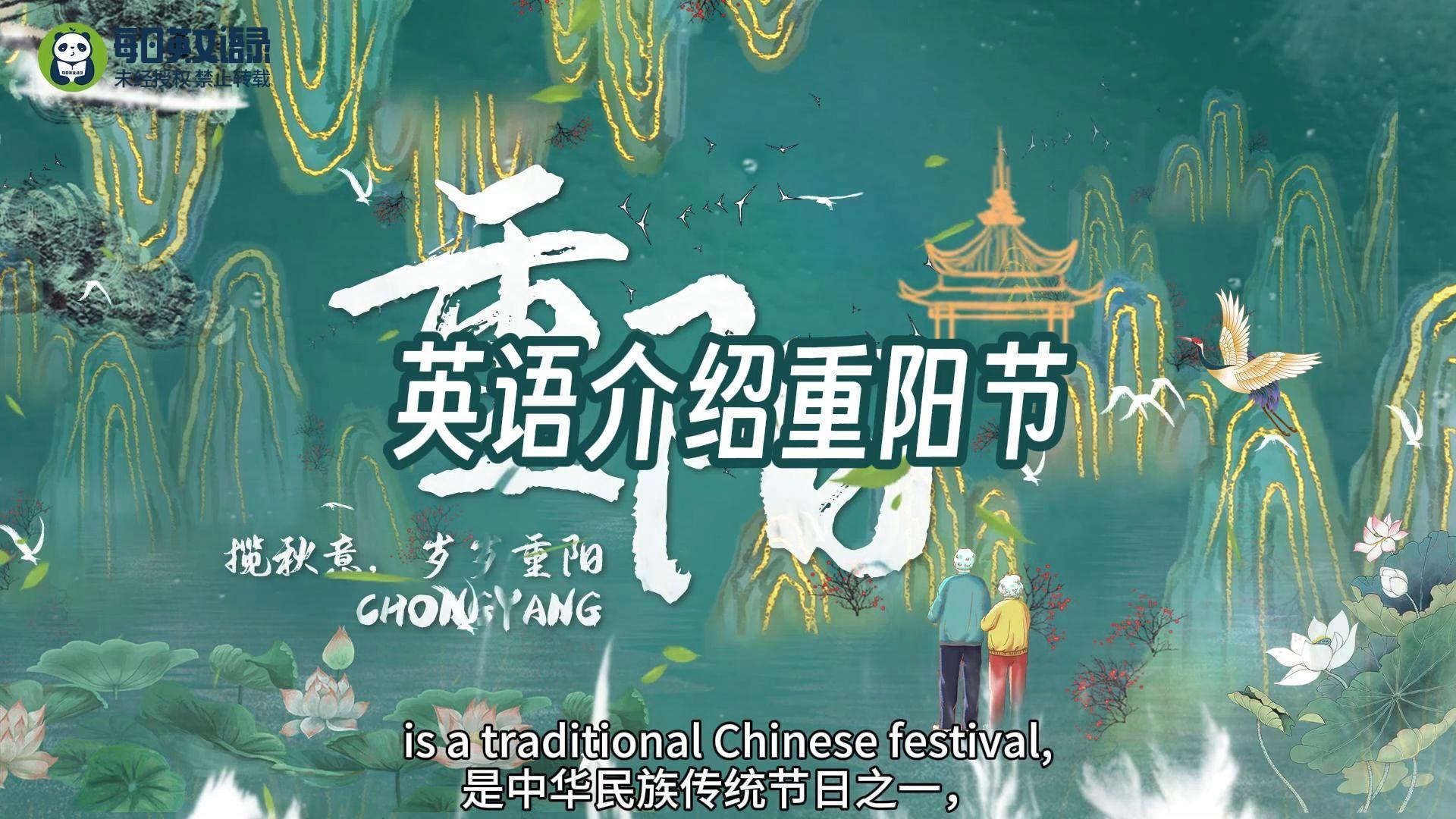
Mountain climbing, chrysanthemum wine, and dogwood sprigs — the ninth of the ninth celebrates longevity, filial piety, and the beauty of autumn.
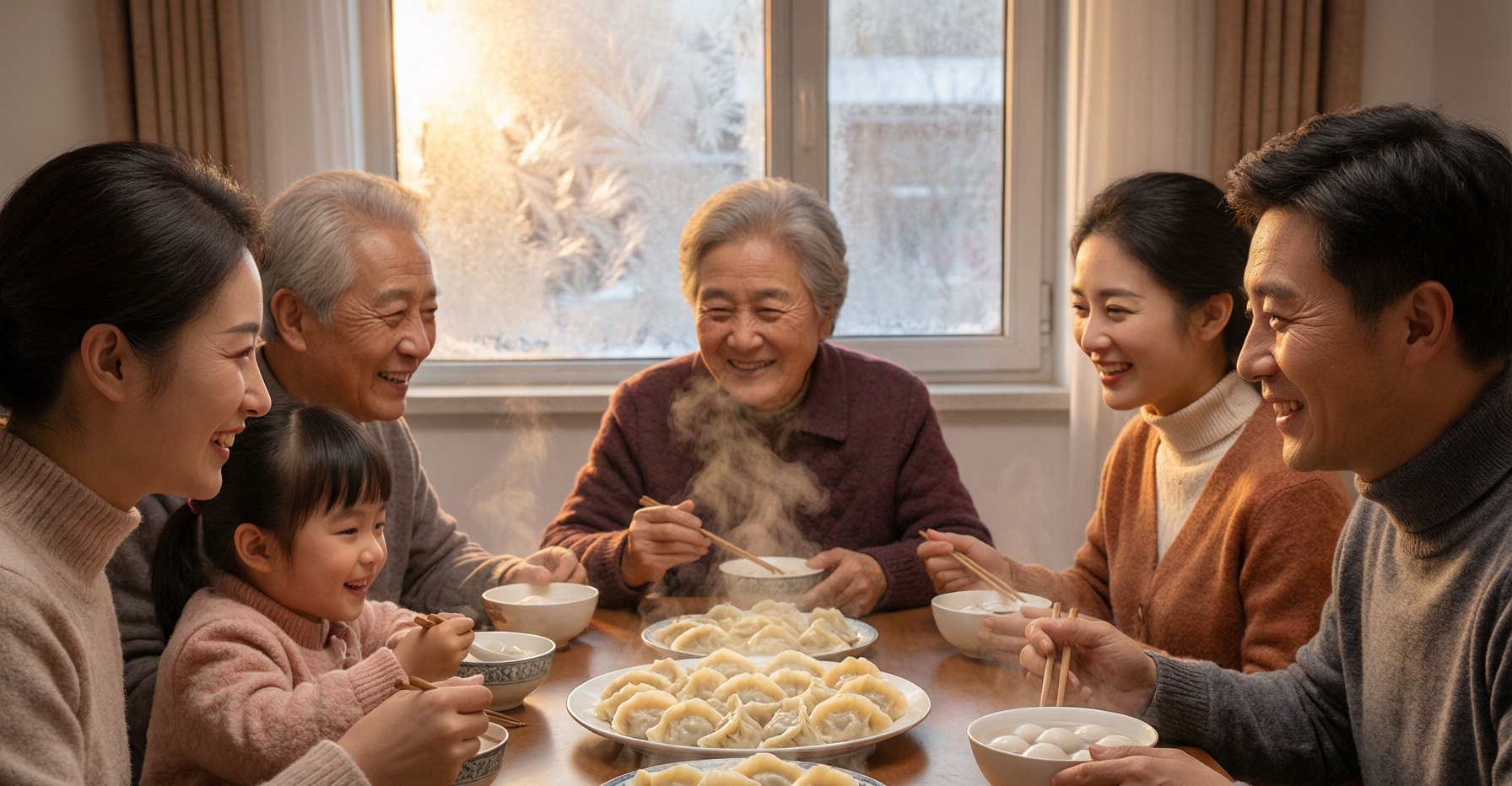
The longest night marks the return of yang. Dumplings in the north, tangyuan in the south — and the legend of Zhang Zhongjing's frostbitten-ear soup.
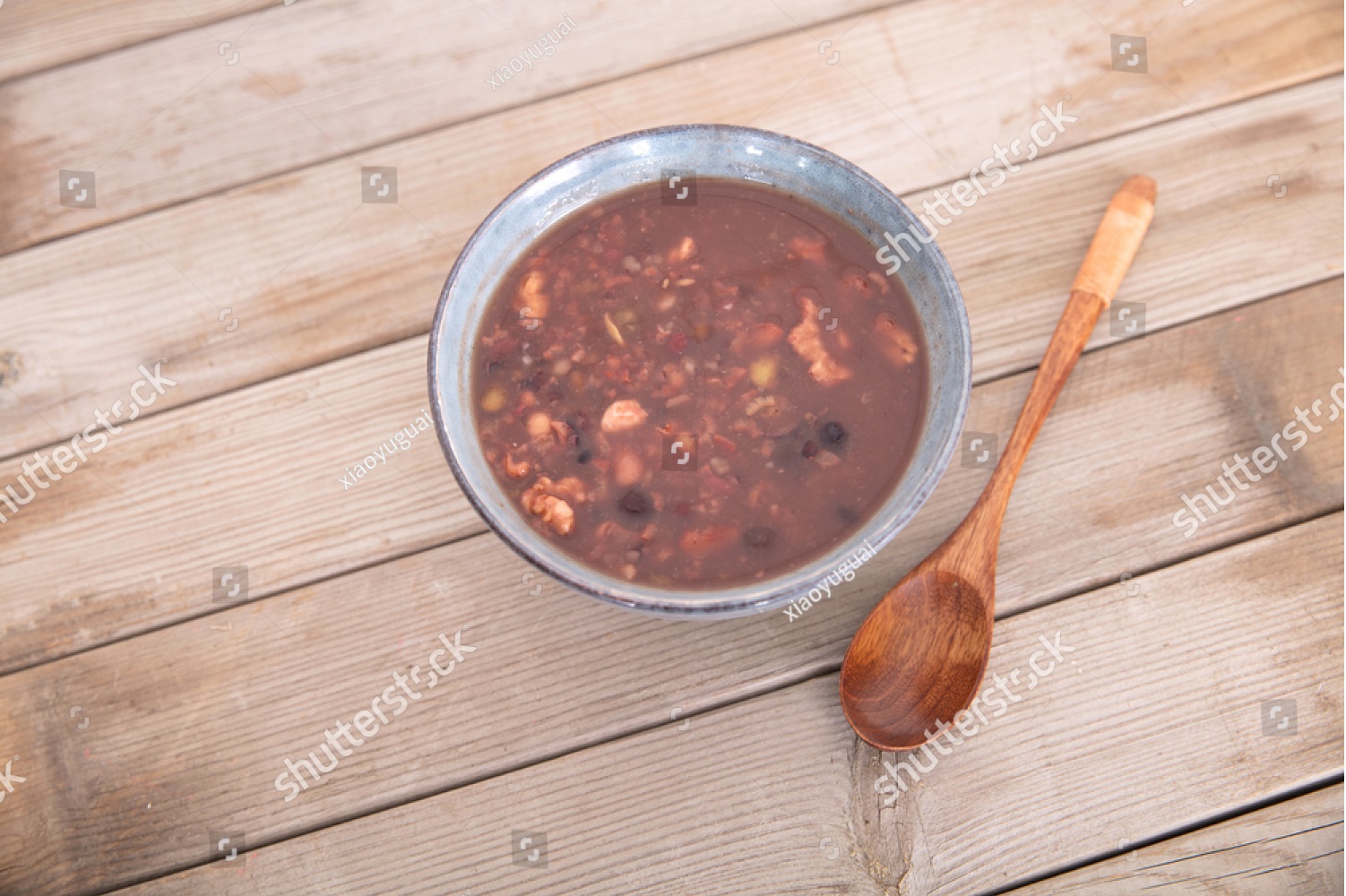
Eight grains, eight treasures, one steaming bowl — Laba porridge marks the beginning of the New Year countdown. Plus the emerald mystery of Laba garlic.